
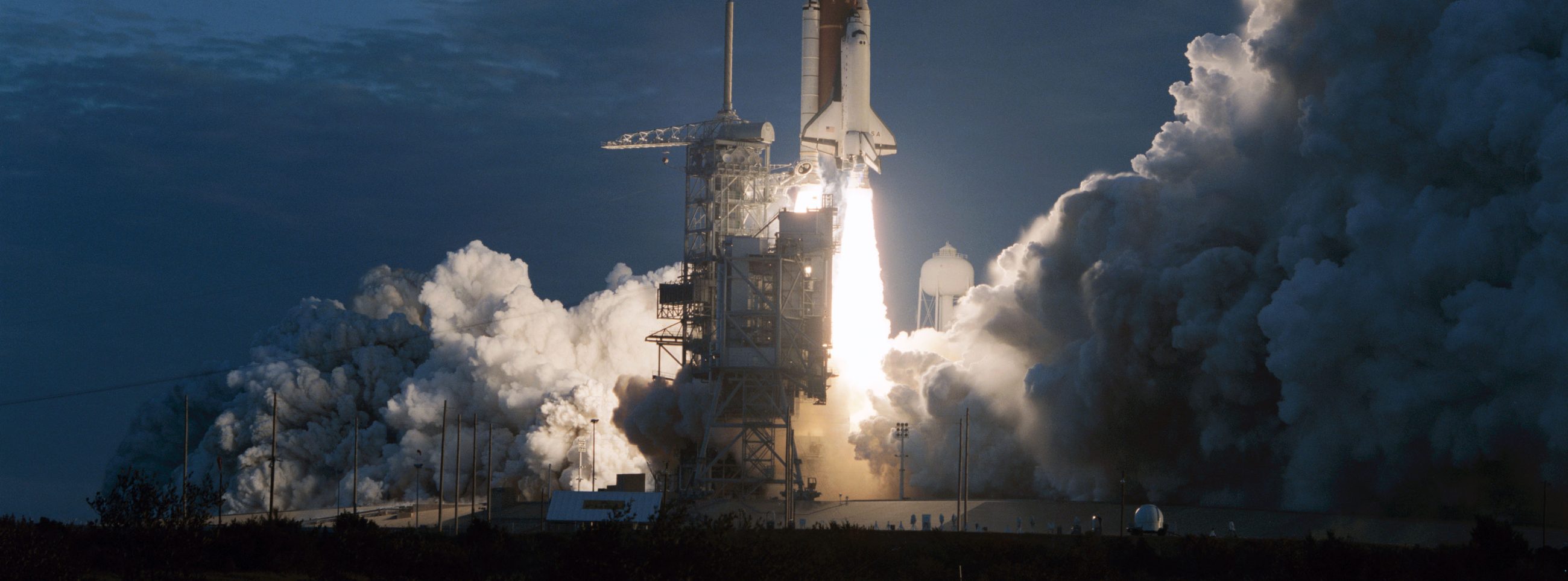
We are philosophers, engineers and researchers from MIT, Harvard, Boston University, Brown, Tufts, and beyond. We gather because of a shared conviction that the questions deciding how a free society endures deserve the same seriousness as the technologies that keep it.
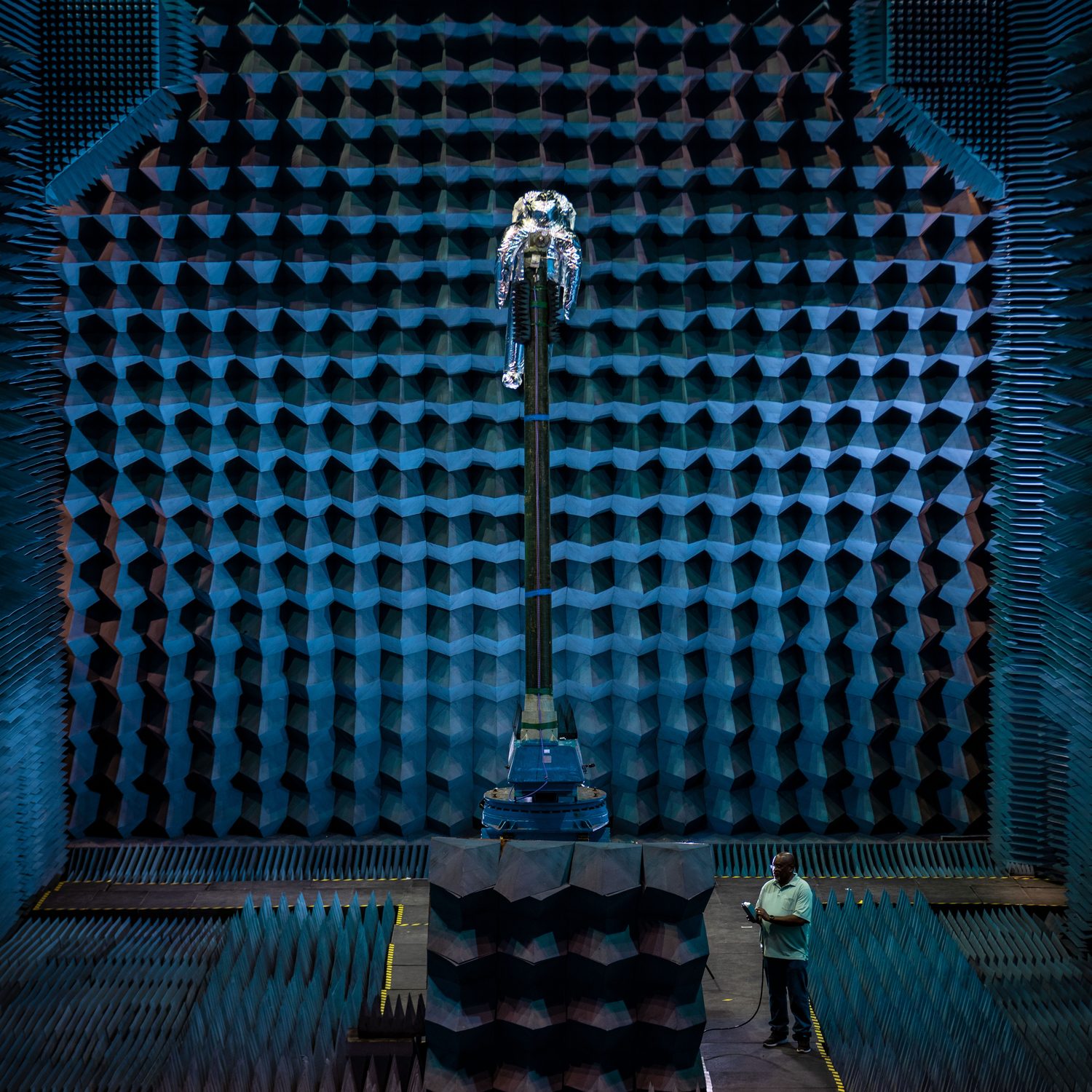
Boston Defense was founded on the view that the two halves of a serious education have been kept apart for too long, and that the separation costs us more than we tend to admit. The engineer is trained to build without often being asked what ought to be built, and the philosopher is trained to ask without ever having to answer to a machine that is indifferent to the argument.
We put both in one room and hold them to each other. Our members read closely and they fabricate carefully, and across a year those two habits begin to inform one another in ways that are difficult to arrange deliberately and unmistakable once they have happened.
Across a year that means a table set each month for legislators and founders, engineers and writers; a workshop developing a mechanically scanned radar and an unmanned aircraft; lectures given to the group and by it; a reading list in philosophy that nobody is taking for credit; and, twice a year, a journey made together.
Statecraft
Statecraft is the oldest of our subjects and among the least fashionable, which is a good part of why we study it. Its questions are not technical ones: who decides, under what authority, answerable to whom, and what a society owes to the generation that will inherit the arrangements it leaves behind.
We read the people who thought about this carefully, from the constitutional tradition through the long argument over liberty and obligation, and we find that the reasoning is frequently better than our own and that remarkably little of it has dated. A democracy is not a mechanism that runs itself, and the habits which keep one running are learned rather than inherited.
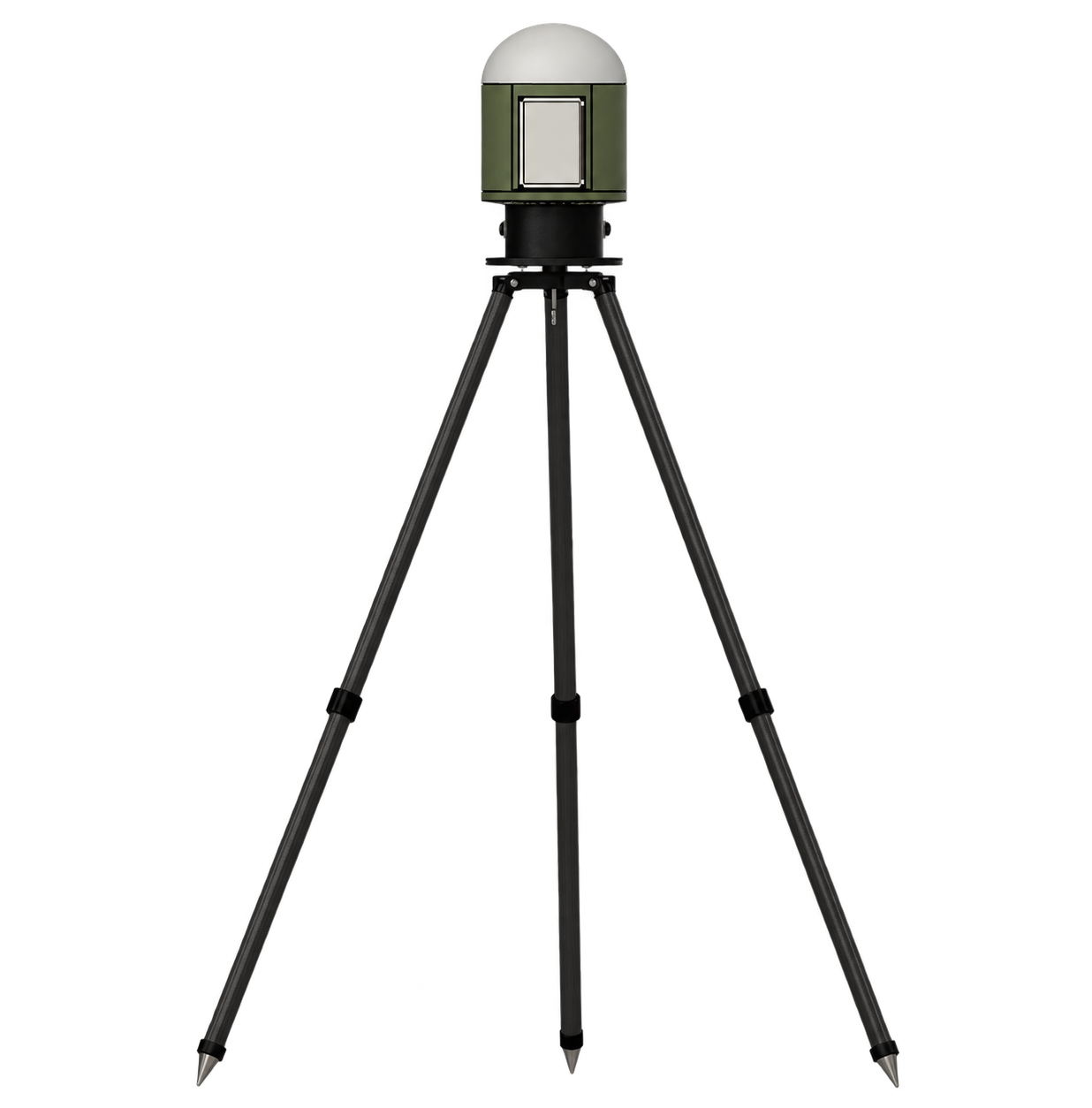
Mechanically scanned radar
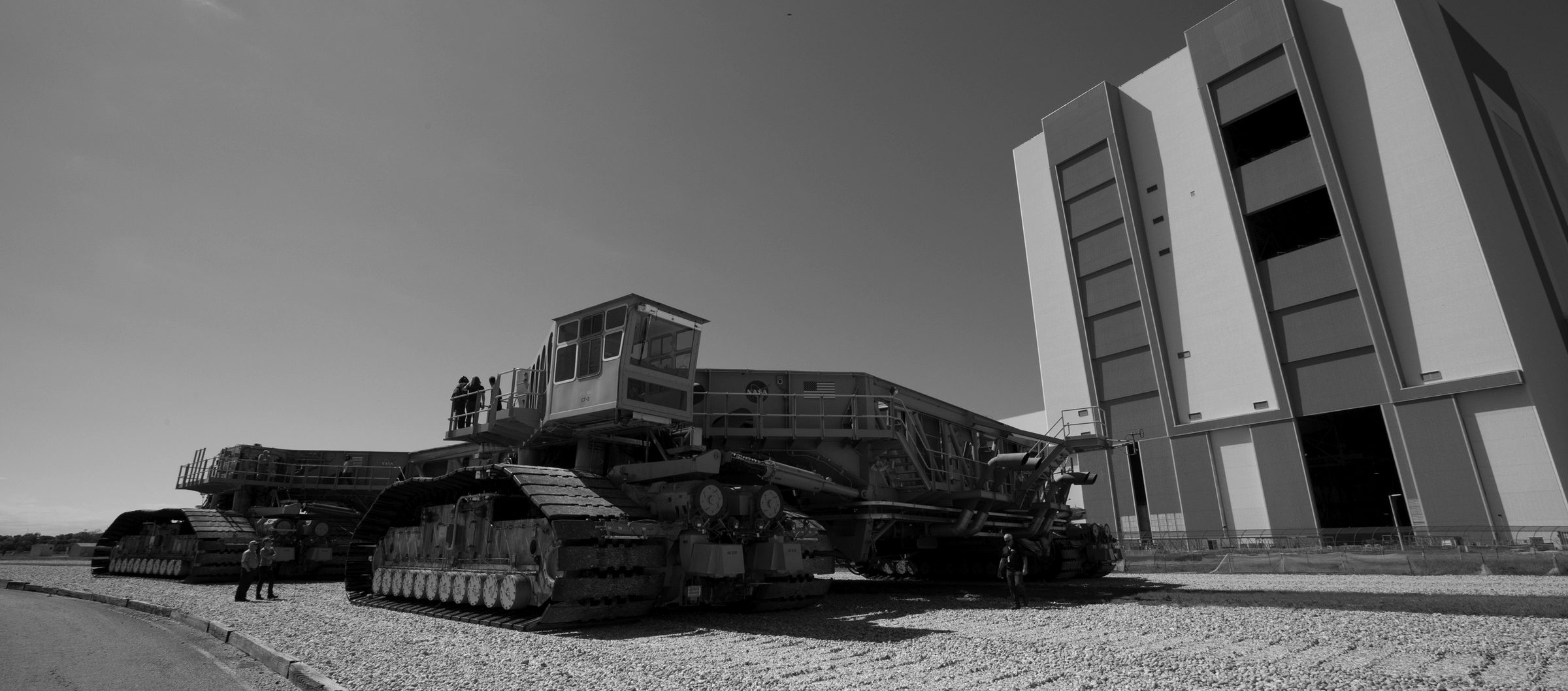
We are developing a mechanically scanned radar for the detection and tracking of small uncrewed aircraft, using a rotating antenna assembly that sweeps the full azimuth while the receiver chain and signal processing separate genuine returns from ground clutter and weather. The pipeline is ours from the rotating head and its drive through detection thresholding and track formation to the operator display, which lets us tune sensitivity and false alarm rate against the low altitude, low velocity targets that conventional systems resolve poorly.
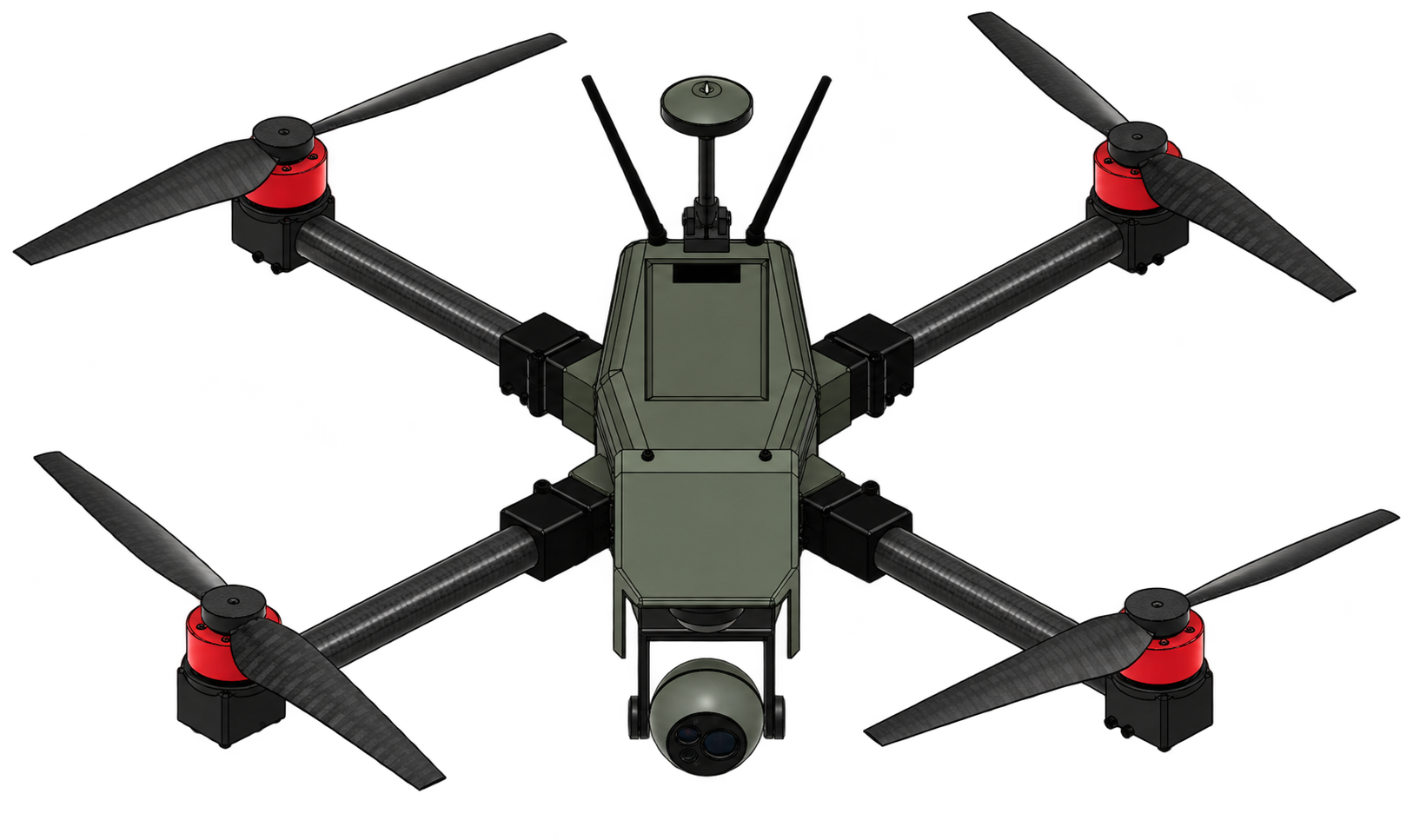
Uncrewed Aircraft Systems
We are developing uncrewed aircraft for GPS-denied localisation, carrying onboard sensing and inertial measurement so that position and attitude are estimated from the airframe's own observations rather than from an external constellation. Flown as a cooperative group the aircraft exchange relative measurements and converge on a shared state estimate, which bounds the drift a single platform accumulates and sustains the localisation and advanced sensing the system is built to provide.
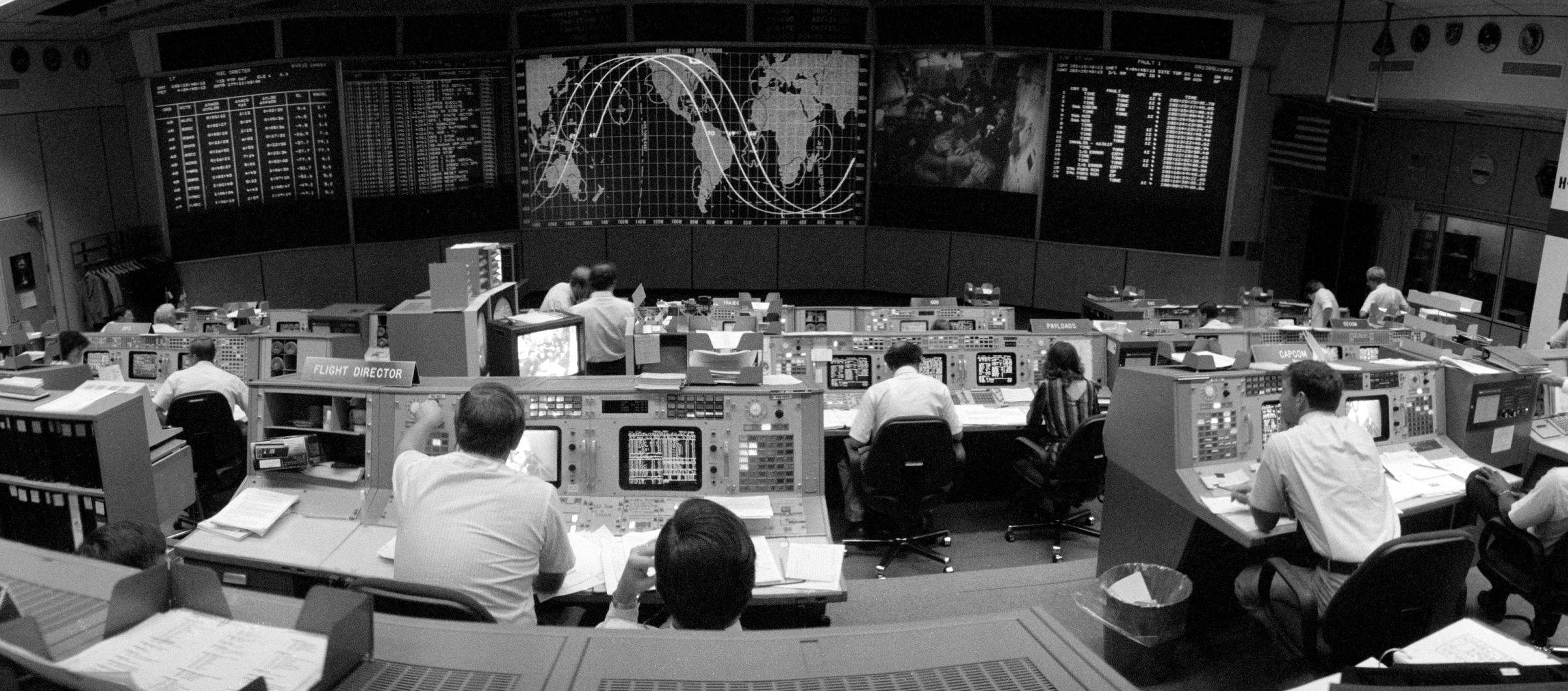
The group
We are students at MIT, Harvard, Boston University, Brown, Tufts, Babson and Northeastern, meeting in Boston as one body rather than as seven delegations. We fund ourselves, we keep our own records, and the work belongs to the group rather than to any one campus.
What holds it together is a shared interest in the same questions rather than agreement about the answers, an arrangement we would recommend to almost anyone.